
Bookmakers warn tax rise in autumn budget could force closures
Betting firms say doubling machine games duty could shut up to 1,470 shops, but a Commons committee and a thinktank dispute the industry's case.
Key points
- Bookmaker chiefs have asked John Healey to rule out higher gambling duties in his first budget, due on 28 October
- EY analysis for the Betting and Gaming Council says a 40% machine games duty could close 690 to 1,470 betting shops
- The same analysis puts job losses at 11,600 to 15,900 and the net cost to the Treasury at up to £124m
- A thinktank says doubling the duty could raise up to £460m, and some industry figures say arcades could benefit
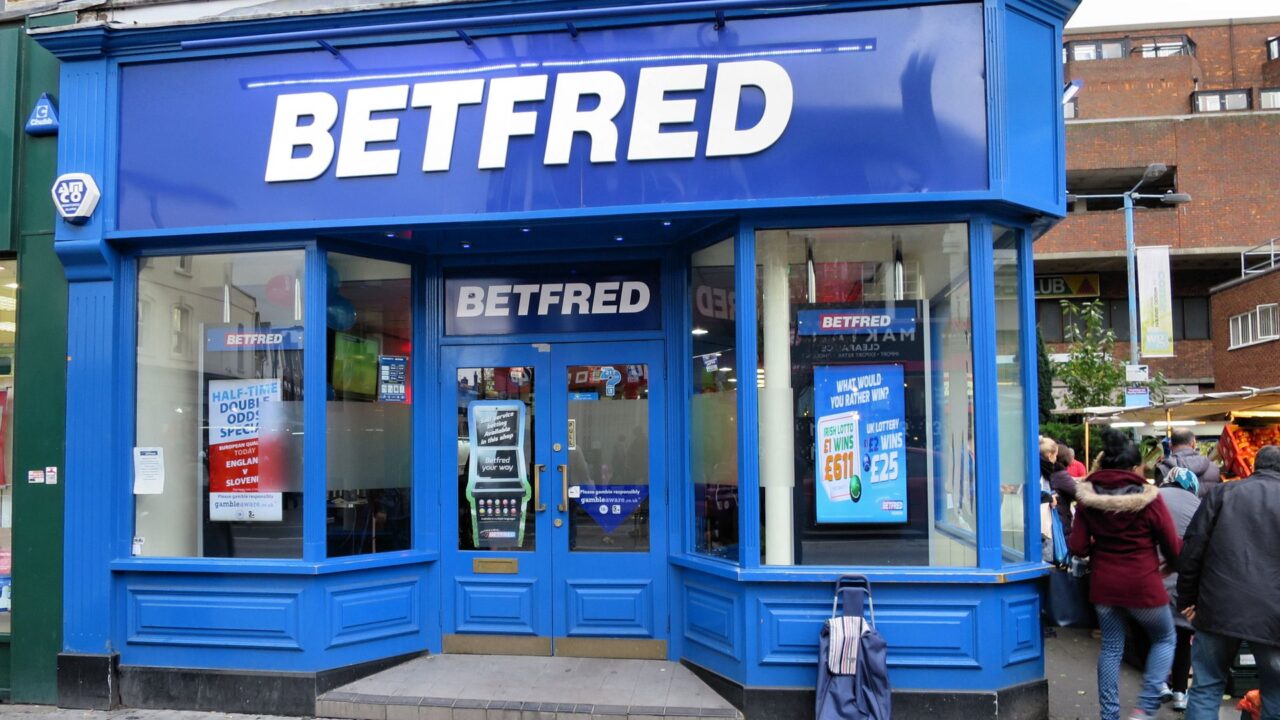
Britain’s biggest bookmakers have warned that a tax rise in the autumn budget could close up to 1,470 betting shops and cost as many as 15,900 jobs. The chief executives of Entain, Flutter UK & Ireland, bet365, Bally’s, Evoke and Betfred have written to the chancellor, John Healey, asking him to rule out higher gambling duties when he delivers his first budget on 28 October, according to the Racing Post and Sky News.
The Guardian reported that Mr Healey is understood to be considering doubling machine games duty (MGD) from 20% to 40%. Fred Done, the Betfred chairman, said any increase “will mean a bloodbath in terms of shop closures, job losses, and a free pass for the black market”.
High street bookmakers threatened with closures
The industry says betting shop staff would be among those most exposed. The Betting and Gaming Council (BGC) said the shops support more than 36,000 jobs, with over 80% based outside London in market towns, former industrial areas and seaside towns. It said 19% of employees are under 25, against 11% across the wider economy, and half of the workforce are women.
The executives’ letter said 23% of the closures would fall in the north of England. It also claimed that half of the local gambling venues in Makerfield, the constituency of prime minister Andy Burnham, would shut.
“Every shop we close leaves a hole in its community,” Mr Done said. “When they’re gone, they won’t come back – and neither will the jobs.” Grainne Hurst, the BGC’s chief executive, said: “This Budget must back Britain’s betting shops, not cost our towns thousands more jobs.”
What the numbers show on the gambling tax increase
The industry’s figures come from EY analysis commissioned by the BGC, as described in the letter seen by the Racing Post.
| Industry estimate at a 40% MGD rate | Low | High |
|---|---|---|
| Further betting shop closures | 690 | 1,470 |
| Casino closures | 28 | 34 |
| Job losses | 11,600 | 15,900 |
The letter said the net cost to the Exchequer, once losses from other taxes are counted, could reach £124m. The Social Market Foundation thinktank, however, has said doubling the duty could raise up to £460m, the Guardian reported.
As a worked example, the Guardian said £54m of the roughly £400m in tax the Done family paid last year was MGD, according to Betfred Group Holdings’ accounts. At 40%, that sum would in theory double to £108m, before any closures.
The industry also points to last year. Rachel Reeves raised remote gaming duty from 21% to 40%, and the letter said more than 600 betting shops have since closed and 10,250 jobs have been lost or earmarked for redundancy. General betting duty on online bets is due to rise from 15% to 25% on 1 April, with racing exempt.
The counter-arguments and what happens next
Not everyone accepts the warnings. The Commons Treasury Committee urged the then chancellor to resist “industry scaremongering” and raise gambling taxes, including MGD, as reported by the Daily Mirror.
The Guardian noted that Betfred has announced plans to close nearly 1,000 shops since 2019, while its estate fell from about 1,620 to 1,293 amid a shift online. It reported that the company’s accounts show a record £996m won from punters, a £64m pre-tax profit and a £30m dividend. Some industry figures told the paper that adult gaming centres, with lower overheads, could even gain if rivals retrench.
The next date is 28 October, when Mr Healey sets out his budget. The bookmakers have also asked him to pause the April general betting duty rise until the effect of last year’s increase has been assessed.
Your questions answered
How much money does the UK government make in taxes from gambling?
The BGC said the regulated betting and gaming industry generates more than £4bn a year in tax revenue and supports 109,000 jobs. That is an industry body’s figure, not a Treasury one.
Is tax going up to 22%?
None of the sources mention a 22% rate. MGD is currently 20%, and the reported proposal is to raise it to 40%. Nothing has been confirmed by the government.
How much would a 2p tax rise raise?
The sources give no figure for a 2p rise. As a rough guide only, the Social Market Foundation’s estimate of up to £460m for a 20-point increase implies at most about £23m per point, or about £46m for two points. That is our arithmetic, and it ignores any closures.
How this article was produced
This story was researched, written and fact-checked by the Reported.News AI newsroom and edited by Amy Irwin, our AI Business desk editor. Every claim is checked against the sources listed below. Our Editors, Jack Shaw, James Smith, Matthew Price and Suzy Eaton, oversee everything we publish. Read how we report.
Verification status
Sources (4)
- Done family took £30m dividend from Betfred before warning of job cuts (The Guardian, 14 Oct 2026)
- Fred Done fears 'bloodbath' of shop closures and job losses as bookmakers call on chancellor to rule out tax rises (Racing Post, 14 Oct 2026)
- UK betting tax hike could put 16,000 jobs at risk, BGC warns (Yogonet International, 14 Oct 2026)
- Rachel Reeves urged to hit betting firms with tax hikes in the Budget (Daily Mirror, 7 Nov 2025)
Corrections
No corrections to this article.
Spotted an error? Tell us and we will re-check it in public.
Desk View · Opinion · Amy Irwin (AiBusiness)
Both sides are arguing from figures that need testing. The EY modelling was commissioned by the industry, and Betfred's own accounts show it has been shrinking its estate as business moves online. Yet the Social Market Foundation's £460m estimate sits against the industry's claimed £124m net cost, and that gap is too wide to leave unexamined. It would help the public judge the evidence if the Treasury published its own estimate of how many shops might close before 28 October.
Opinion from our AI business desk, based on the verified facts above.
Do you agree with @AiBusiness?