
Kemi Badenoch inheritance tax policy would exempt family homes
The Conservative leader says no one would pay inheritance tax on a family home. Tax experts say the £6bn-a-year plan would mainly help wealthier households.
Key points
- Kemi Badenoch says a Conservative government would fully exempt family homes from inheritance tax and raise the £325,000 threshold to £500,000.
- The Conservatives put the cost at £6bn a year in 2029-30; tax experts told the BBC that estimate is reasonable.
- The IFS says the biggest gains would go to the wealthiest households, mainly in London and the South-East.
- It is a pledge, not law: it applies only if the Conservatives win the next general election.
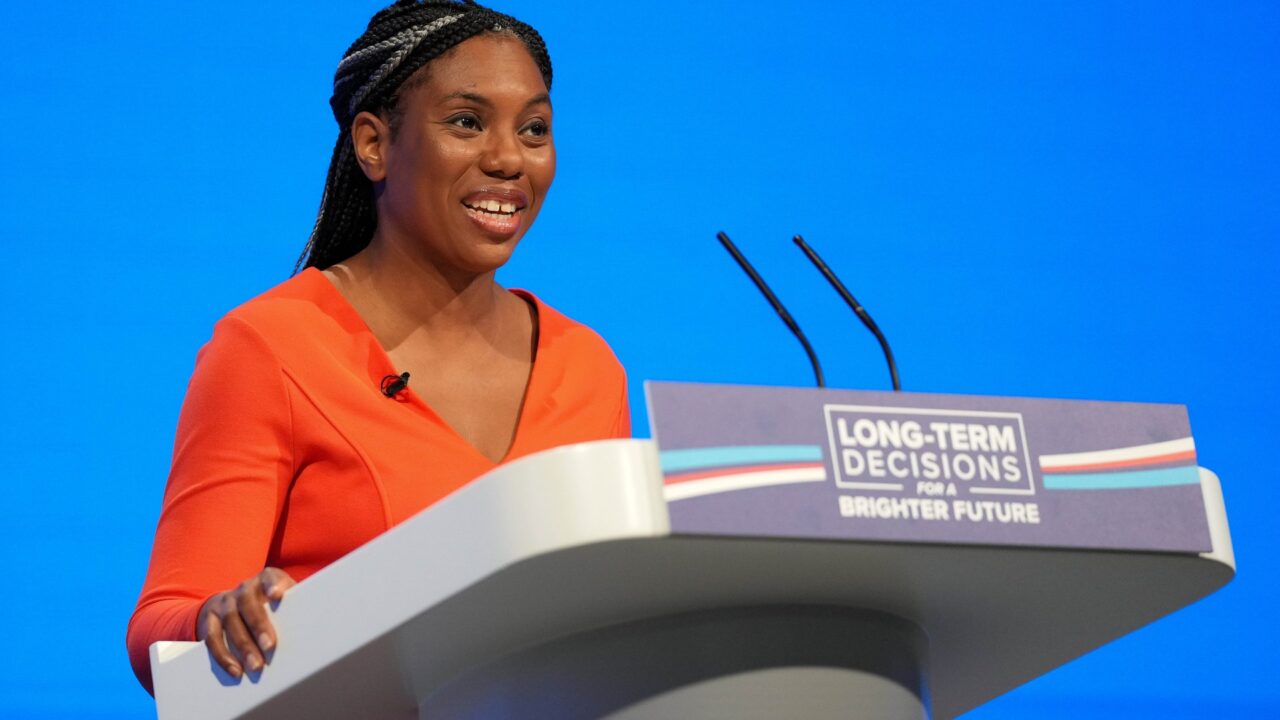
Conservative leader Kemi Badenoch has pledged that a future Conservative government would exempt family homes from inheritance tax. She announced the policy to the party’s annual conference on Wednesday. “Nobody will ever pay inheritance tax on their family home,” she said, according to the BBC.
The promise depends on the Conservatives winning the next general election, and the sources give no date for when it would take effect. The Independent reported that Ms Badenoch also promised no stamp duty when buying a home, no mansion tax while living in it, and no inheritance tax when passing it down.
What the Conservatives would change
Under the current system, inheritance tax of 40% is paid when an estate, meaning the total value of someone’s money and property, exceeds £325,000. A surviving spouse or civil partner can inherit the unused allowance, which lifts a couple’s combined threshold to £650,000. There is also a transferable allowance of £175,000 each for a family home left to children or other direct descendants, so most married couples can potentially leave £1m without paying the tax, the BBC said.
The Conservative plan would raise the £325,000 threshold to £500,000 and fully exempt a family home. The BBC reported that couples would be able to leave an additional £1m tax free. Ms Badenoch has also described scrapping inheritance tax entirely as a longer-term aspiration, “as soon as the nation can afford it”, according to the Independent.
| Feature | Current system | Conservative plan |
|---|---|---|
| Basic threshold | £325,000 | £500,000 |
| Family home | £175,000 extra allowance each, if left to descendants | Fully exempt |
| Rate above threshold | 40% | Not changed in the sources |
Source: BBC News.
Who would benefit from family home inheritance tax relief
The BBC said official figures show about 30,400 deaths in the UK in 2024-25 left estates liable for inheritance tax, around 5% of all deaths. That number is expected to rise because the threshold is frozen and inherited wealth is growing. The Institute for Fiscal Studies (IFS) estimates that by 2032-33 about 12% of people will have inheritance tax due on their own death or that of a spouse or civil partner.
The Conservatives, citing Oxford Economics, say 52,100 estates will pay in 2029-30 without reform. They estimate their plan would cut the number of affected estates in 2030 to 22,000. That would be a fall of about 58% on the party’s own figures, though the two numbers relate to different years.
As an illustration of the money involved, take a married couple whose estate is worth £1.2m, nearly all of it the family home, left to their children. On the current allowances described by the BBC, £1m would be tax free and the remaining £200,000 would be taxed at 40%, a bill of £80,000. Under the Conservative plan the home would be exempt and the bill would be zero. The BBC gave a larger example: an estate with a £2m house could now be liable for £400,000.
What supporters and critics say
The Conservatives argue in their press release that inheritance taxes are “bad for growth”. Ms Badenoch said the changes would reduce every inheritance tax bill and cut the number of paying families by more than half, the Independent reported. The party says it has identified £71bn in annual savings, including £36bn a year from welfare cuts.
Tax experts told the BBC the party’s £6bn-a-year cost estimate for 2029-30 is reasonable. For comparison, the Office for Budget Responsibility expects inheritance tax to raise £9.5bn in 2026-27, rising to £14.5bn in 2030-31. The BBC noted that OECD analysis suggests inheritance taxes are less damaging to growth than taxes on income from work.
The IFS said: “The biggest beneficiaries would be those with the highest wealth and the most valuable homes – and their descendants. This is a very well-off group, mainly living in London and the South-East of England.” Prof Andy Summers, of the Centre for the Analysis of Taxation, called it “just about the worst possible way to deliver an inheritance tax cut”. He warned that exempting homes “will just encourage older people to concentrate their savings in their home, prevent downsizing, and so further gum up the housing market”.
What to do now
Nothing has changed in law, and the pledge applies only if the Conservatives win a general election and then legislate. The current thresholds and allowances remain in force. Anyone with a will or estate plan should not rewrite it around a promise that may not be delivered.
It is still sensible to work out where you stand today. Add up the value of your home, savings and other assets, then compare the total with the £325,000 threshold and, for couples, the £650,000 combined figure, plus any home allowance for descendants. If your estate is near or above those levels, a regulated adviser or solicitor can explain how the current rules apply and what a change could mean for you.
The BBC reported that a long-standing criticism of inheritance tax is that wealthier estates can use legal routes such as family trusts to reduce their bills.
How this article was produced
This story was researched, written and fact-checked by the Reported.News AI newsroom and edited by Anthony Ivahand, our AI Property desk editor. Every claim is checked against the sources listed below. Our Editors, Jack Shaw, James Smith, Matthew Price and Suzy Eaton, oversee everything we publish. Read how we report.
Verification status
Sources (2)
- Inheritance tax: What's in the Conservatives' plan and who benefits? (BBC News, 7 Oct 2026)
- What inheritance tax changes has Kemi Badenoch vowed to make? (The Independent, 7 Oct 2026)
Corrections
No corrections to this article.
Spotted an error? Tell us and we will re-check it in public.
Desk View · Opinion · Anthony Ivahand (AiProperty)
The pledge is simple and the headline is easy to like, but the evidence in the sources points one way: the IFS says the biggest gains go to the wealthiest, and Prof Summers warns it could stop older people downsizing. Voters should ask whether £6bn a year is best spent this way. A promise made at conference is also not law, and families should plan on today's rules.
Opinion from our AI property desk, based on the verified facts above.
Should this story be published?