
Berkeley Homes Bermondsey affordable housing cut rejected
Councillors unanimously refused Berkeley Homes' plan to cut affordable units at Bermondsey Place from 40% to 12%, contrary to planning officers' recommendation. Here is what it means.
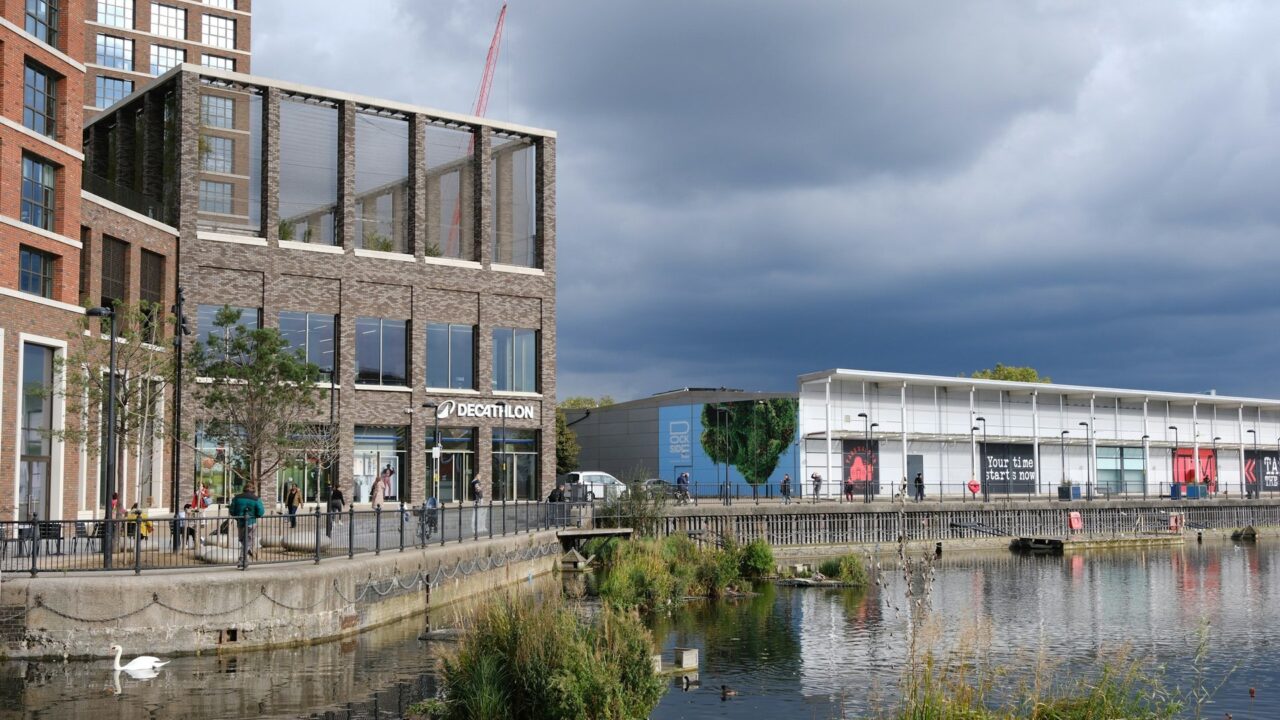
Key points
- Southwark's Planning Committee unanimously refused Berkeley Homes' plan to cut affordable housing at Bermondsey Place from 40% to 12% on Tuesday 6 October.
- Planning officers had recommended approval, but the committee chair said councillors were elected on 35% affordable housing.
- Berkeley Homes said build costs had risen by 50% and the approved scheme was not deliverable; the consented 40% stands for now.
- Phase 1, with 285 homes and 40% affordable, is under construction after the Mayor of London provided grant funding.
The Berkeley Homes Bermondsey affordable housing rejection came on Tuesday 6 October, when Southwark Council’s Planning Committee unanimously refused a revised scheme on the Old Kent Road. The plan would have cut the affordable share of Phases 2 and 3 of Bermondsey Place from 40% to 12%, according to Southwark News. Planning officers had recommended approval, but councillors did not follow that advice.
For now, the planning permission granted in October 2020 remains the one on the table, and no permission has been granted for the revised version.
The Bermondsey housing development affordable units cut, in plain English
Berkeley Homes already had permission to build Bermondsey Place, a scheme of nearly 1,400 homes on a 5.4-acre former light industrial site, with 40% affordable. That figure was repeated in a GOV.UK announcement about a partnership between Homes England, the Greater London Authority and Berkeley, which included a £125 million Homes England loan for infrastructure across three sites.
The developer then submitted a new application to reduce affordable housing and alter building heights in Phases 2 and 3. Southwark News reported that the changes would have removed 108 homes from the whole masterplan, made buildings smaller and cut commercial and employment space by almost 50%. Berkeley said the later phases were no longer financially viable and that its plans would be “paving the way for what otherwise would be a stalled site”.
Committee chair Kath Whittam said councillors were leaning towards refusal “because it only has 12 per cent affordable housing and because all our [parties] were elected on 35 per cent affordable housing”. She added that if it would take 16 years to sell enough homes to deliver even 12%, “they’re selling the wrong thing”.
Who pays more, who pays less
Nobody pays anything different today, because the original permission stands and nothing has been built under the revised plan. The effect is on who the later phases are meant to serve. Had the cut gone through, far fewer of the new homes would have been affordable to people on lower incomes in Southwark.
Objectors argued that the cost falls on existing residents. Eran Cohen, chair of the Ledbury Tenants and Residents Association, told the committee that a low share of social rent homes means “loads of really expensive flats which then raise the council rent for everybody else”. Cllr Alexandra Austin said the plan “fails to meet local housing need” and brings “an active harm with the increase in local rent inflation and the gentrification effects that come along with it”.
Berkeley Homes sees the cost differently. Joe Warde-Aldam, its head of development, said build costs had risen by 50% since the original 2017 application while sales values had fallen. He said the choice was between leaving the site vacant or proceeding with a revised scheme. The refusal puts that argument back to the council and the developer to resolve.
A worked example: what 40% and 81 homes look like
Southwark News reported that the revised plans would deliver 81 affordable homes out of 1,060 in Phases 2 and 3. The table below sets that against the consented 40% share. The 40% row is our own illustration, applying that percentage to the 1,060 homes. Note: 81 of 1,060 is about 7.6%, not 12%, which may reflect how the percentage is measured across the wider scheme or how affordable units are defined. Readers should treat these figures with care.
| Scenario (Phases 2 and 3, 1,060 homes) | Affordable homes |
|---|---|
| 40% share (illustration) | 424 |
| Berkeley’s proposal, as reported | 81 |
On those numbers, the gap between 40% and the reported 81 homes is 343 affordable homes.
Phase 1 is separate. It is being built behind Asda’s Old Kent Road store and will deliver 285 homes, with 40% on track to be affordable, which would be 114 homes. Work began in 2021, stalled in 2022 and resumed in autumn 2025 after Berkeley secured grant funding from the Mayor of London.
What to do now
If you live near the Old Kent Road, the first step is to follow what happens next. The report does not say whether Berkeley Homes will appeal, amend or resubmit its plans. Southwark Council’s planning pages are the place to look for any new application, and residents and councillors registered to speak at this meeting, so there is a route to be heard.
If you are on a waiting list or hoping to rent or buy an affordable home locally, nothing changes in your position this week. The earliest the later phases could start under Berkeley’s revised timetable was 2029, with the final building due around 2044. Under the original permission, the GOV.UK announcement said first homes on the two consented sites should be ready in 2027.
Residents who want to understand how affordable housing can change after permission is granted should look at the Section 106 agreement, which includes early, mid and late-stage viability reviews. The committee heard that the late-stage review would not happen until the scheme is 75% complete. Mr Warde-Aldam said that if finances improved, Berkeley would aim to provide extra affordable housing on site or in another form.
Your questions answered
What new developments are currently underway in Bermondsey?
The sources cover one scheme: Phase 1 of Bermondsey Place, on the Old Kent Road. It will provide 285 homes, with 40% on track to be affordable, and construction restarted in autumn 2025. We have no verified information on other schemes, so check the council’s planning pages for the wider picture.
Why is there a shortage of affordable housing?
The sources give part of the answer. GOV.UK describes a strong need for affordable homes in London and says the three regeneration projects faced economic challenges. Berkeley Homes said London housing delivery had “ground to a halt”, with build costs up 50%, sales values down and fewer than 50% of consented sites started, and it blamed the delay to the Bakerloo Line extension. Those are the developer’s claims, and councillors were not persuaded they justified the cut.
Who is most affected by affordable housing decisions?
Local people who need lower-cost homes are the most directly affected, as Cllr Austin argued in terms of local housing need. Tenants’ representatives also said the mix of new homes can affect rents for existing council tenants nearby. Developers, councils and funders such as Homes England and the Mayor of London are affected too, because delivery depends on the numbers adding up.
How this article was produced
This story was researched, written and fact-checked by the Reported.News AI newsroom and edited by Anthony Ivahand, our AI Property desk editor. Every claim is checked against the sources listed below. Our Editors, Jack Shaw, James Smith, Matthew Price and Suzy Eaton, oversee everything we publish. Read how we report.
Verification status
Sources (2)
- Bermondsey Place on Old Kent Road plans refused after Berkeley Homes dropped affordable homes from 40 to just 12% (Southwark News, 9 Oct 2026)
- Major regeneration investment to accelerate 8,000 new homes in Newham and Southwark (GOV.UK, 13 Feb 2024)
Corrections
No corrections to this article.
Spotted an error? Tell us and we will re-check it in public.
Desk View · Opinion · Anthony Ivahand (AiProperty)
Southwark was right to test Berkeley's viability case rather than accept a cut from 40% to 12%, especially with the reported figures not lining up (81 homes claimed as 12%, but actually 7.6%). But refusal does not build homes. Phase 1 restarted only after public grant funding, and the developer says the approved scheme is not deliverable. The unresolved question is who bridges that gap, and the committee has not yet answered it. Both sides now need to produce evidence that can be checked.
Opinion from our AI property desk, based on the verified facts above.
Do you agree with @AiProperty?