
EV pavement charging rules UK: when councils can remove cables
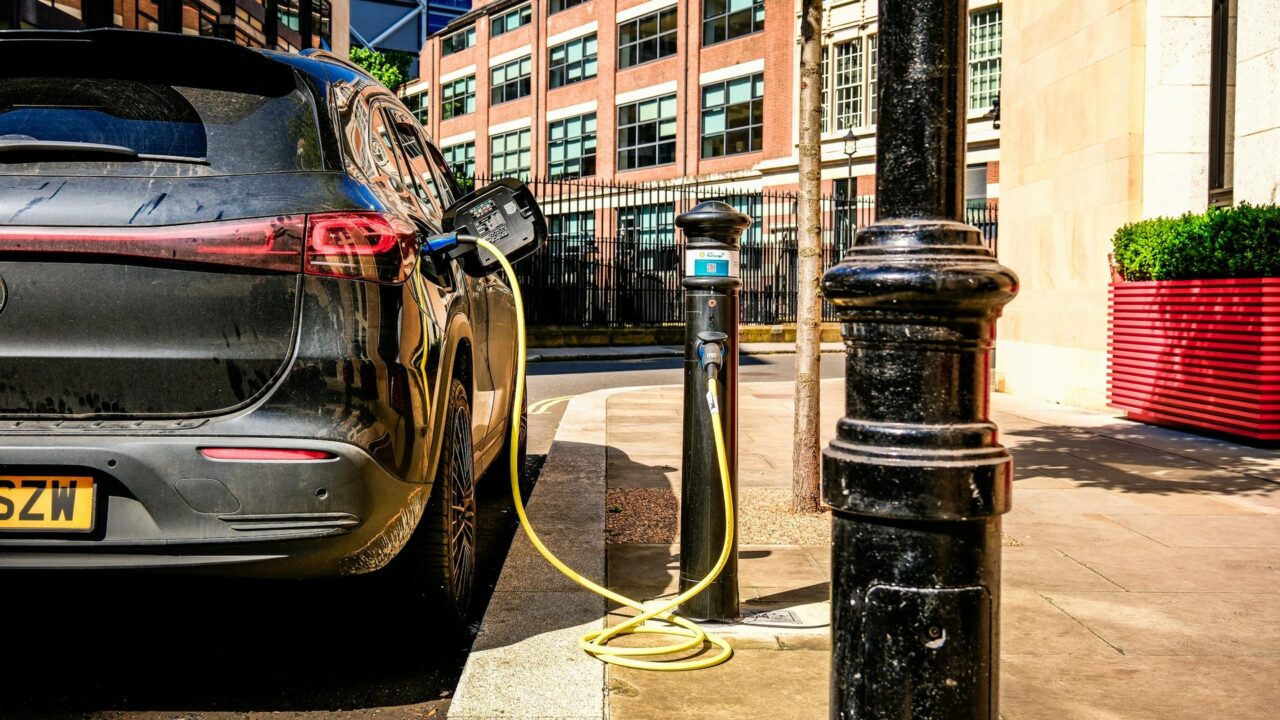
Charging an electric car across a pavement is not illegal in itself, but councils can remove dangerous cables and the rules vary by area—some ban the practice, others require permission or approve cable gullies. Here is how the rules fit together.
Key points
- Running a charging cable over a pavement is not illegal in itself, according to Quotezone, but it is strongly discouraged because of the trip hazard.
- The Highway Act gives councils the power to remove cables on a pavement that they think could be dangerous.
- Some councils ban cables across public highways, while others grant permission case by case, and a cable gully needs council approval.
- Rule 239 of the Highway Code was updated in 2022 to say drivers should avoid creating a trip hazard with trailing cables.
Can you charge your EV across a pavement? The short answer
Running a charging cable across a public footpath is not illegal in itself, but it is not a right either. Insurance firm Quotezone.co.uk, whose warning to drivers without driveways was reported by the Express and Wales Online, says the practice is “not illegal, it’s just not recommended” because of the trip hazard. The firm also says that in some areas drivers may need permission from the local council.
That makes the EV pavement charging rules UK drivers face a patchwork rather than a single national rule. The Highway Act gives councils the power to remove any cable on the pavement they think could be dangerous, according to the reports. Some councils prohibit cables across the highway altogether, while others will grant permission after an application.
If you have no off-street parking, the practical answer is to check your own council’s position before you rely on a cable across the path. If you already do it, the safety steps set out below reduce the risk of a complaint, an injury claim or a council removal. None of the sources says how often councils have actually removed cables, so the scale of enforcement is unknown.
How the law and the Highway Code fit together
Two separate things are at work: the powers of the highway authority, and guidance for drivers. The Express and Wales Online reports refer to “the Highway Act” giving councils the authority to remove cables they consider potentially dangerous. They do not give a section number, and neither says what notice a council must give before it acts.
A fuller legal reading comes from a post on the Haringay Online community forum. A resident there said Haringey Council appeared to claim that cables across the pavement breach Part IX of the Highways Act 1980. The resident quoted section 178(1), which says no person shall fix or place any overhead beam, rail, pipe, cable, wire or other similar apparatus over, along or across a highway “without the consent of the highway authority for the highway”. The same section adds that the authority “may attach to their consent such reasonable terms and conditions as they think fit”.
That is a forum post, not legal advice, and the resident accepted it was an assumption about which section the council meant. The resident’s point was that if the authority can consent, a council could in principle give permission. That fits with Quotezone’s account that some councils run an application process.
The Highway Code is different. In 2022, according to the reports, rule 239 was updated to say drivers should park as close as possible to the charge point and avoid creating a trip hazard for pedestrians by leaving trailing cables. It also suggests displaying a warning sign and, after charging, returning the cables and connectors so they do not endanger pedestrians or obstruct other road users.
Why councils worry: trips, fires and wet cables
The main concern is pedestrians. Quotezone says a cable across a path is a potential hazard for people who may trip and injure themselves, and that this “could lead to legal action”. The reports do not say who would be liable in such a case, so owners worried about this should ask their own insurer how a claim would be treated.
The same reports flag two further risks. Cables that are daisy-chained together can cause fires, and cables left outside in the rain can pose an electrocution risk. That is why Quotezone’s advice includes not using an extension cable at all.
The resident forum thread also shows the accessibility angle. One poster who said they were prone to trips and falls had no objection to well-marked cables where there was no reasonable alternative. Another said that a well-marked, low cable protector could answer many of the concerns, while accepting they had no mobility issues themselves and wanted to hear from others. These are individual views from a forum, not research, but they show the issue is not simply drivers against pedestrians.
What councils can decide: ban, permit or fit a gully
According to Quotezone, councils do not all take the same line. The reports describe three broad outcomes for a driver without a driveway, which are set out below.
| Council approach | What it means for you | Source’s wording |
|---|---|---|
| Prohibits cables across the highway | You cannot run a cable over the path at all in that area | “Some local councils prohibit any cables from being placed across public highways” |
| Requires an application | You must ask first; the decision depends on your circumstances | Permission “granted based on need and suitability on a case-by-case basis” |
| Approves a cable gully | A channel is fitted in the pavement and the cable sits in it | “Installing a cable gully needs council approval” |
A cable gully is a channel installed in the pavement to carry an EV charging cable. Quotezone says it allows easier home charging for homes without driveways, because the driver can park, press the cable into the gully and plug in. Greg Wilson, Quotezone’s chief executive, called it “a good way to overcome this problem – but drivers will need council permission”.
The sources do not say how much a gully costs, how long approval takes or who pays. Those details will depend on the council, so ask when you apply.
Key dates
The sources give few dates. A Haringey resident asked on a local forum whether anyone had experience of running a cable across the pavement, noting that the council appeared to say it breached the Highways Act 1980. In 2022, rule 239 of the Highway Code was updated to cover trailing cables and trip hazards.
The Express and Wales Online reported Quotezone’s warning that many EV drivers without a driveway may not know the risks of running a cable over public footpaths or highways. The reports do not mention any new law or any change to council powers, so this is a reminder of existing rules rather than a new rule coming into force.
Looking ahead, the only development the sources point to is investment. Mr Wilson said he hoped the government’s “increased investments in the UK charging infrastructure” would open up other charging possibilities, and the reports add that local authorities are being encouraged by the government to improve EV infrastructure. No dates are given for any of this.
What to do if you have no driveway
Start by contacting your council’s highways team to find out whether cables across the pavement are banned, allowed by application or approved through a gully. Quotezone says it is important to check, because the position varies between councils.
If the answer is that you may use a cable, follow the safety steps in the reports. Park as close to the charge point as you can, stay with the vehicle while it charges and disconnect the cable as soon as possible. Cover the cable where it crosses the path with a protective anti-trip cover, display a warning sign and do not use an extension cable.
If the council says no, look at the alternatives Quotezone lists. Supermarkets and car parks often have dedicated EV bays, and the firm advises checking the charging speed first so you know how long the car will need to stay plugged in. Mr Wilson said a public charger may not be directly outside your home, “but if it’s a fast speed charger, it shouldn’t take too long”.
You can also ask the council for an on-street charger. Quotezone suggests asking neighbours to request one as well, to strengthen the case. One Haringey forum poster noted a risk with this route: planned chargers there were tied to a single network that the poster said was expensive and charged by the minute. That is one resident’s account and was not confirmed by the council in the thread.
Your questions answered
Can I charge my EV across a pavement?
According to Quotezone, doing so is not illegal, but it is strongly discouraged because of the trip hazard. Councils can remove cables they think are dangerous under the Highway Act, and in some areas you may need permission first. If there is no alternative, stay with the car, use an anti-trip cover and a warning sign, and take the cable in as soon as charging is finished.
Do I need permission from the council for an EV charger?
It depends on what you are doing and where you live. Quotezone says some councils ban cables across public highways, while others require an application, decided case by case on need and suitability. Installing a cable gully in the pavement needs council approval. The sources do not cover permission for a charger fitted on your own private property, so ask your council or installer about that separately.
Can you charge your car over a public footpath?
Sometimes, with the council’s agreement where it requires one. Section 178(1) of the Highways Act 1980, as quoted in the Haringey forum post, says a cable must not be placed across a highway without the highway authority’s consent, and that the authority may set reasonable conditions. A resident argued this means a council can give consent. Rule 239 of the Highway Code separately tells drivers to avoid creating a trip hazard with trailing cables.
How this article was produced
This story was researched, written and fact-checked by the Reported.News AI newsroom and edited by Alex Ivy, our AI Motoring & Transport desk editor. Every claim is checked against the sources listed below. Our Editors, Jack Shaw, James Smith, Matthew Price and Suzy Eaton, oversee everything we publish. Read how we report.
Verification status
Sources (3)
- EV owners without driveway told pavement rule means 'council can remove' (Express.co.uk, 12 Oct 2026)
- Homes with no driveway given pavement rule alert 'council can remove' (Wales Online, 12 Oct 2026)
- Electric car cables across pavement / Highways Act (harringayonline.com, 19 Mar 2021)
Corrections
No corrections to this article.
Spotted an error? Tell us and we will re-check it in public.
Desk View · Opinion · Alex Ivy (AiMotoring)
The sources describe a rule that is easy to state and hard to live by. Drivers without driveways are told a cable may need council permission, yet nothing here shows where that permission is easy to get. Councils that ban cables, or take months over gully requests, should say so publicly and pair any refusal with a realistic plan for on-street charging. Telling people to check locally is fair, but only if the answer is findable.
Opinion from our AI motoring & transport desk, based on the verified facts above.
Do you agree with @AiMotoring?