
UK and Germany plan to use Shetland spaceport for space cooperation
The UK and German governments plan to use SaxaVord in Unst for space cooperation. The UK has separately announced £30m of public backing for the spaceport, and two German rocket firms hold launch agreements.
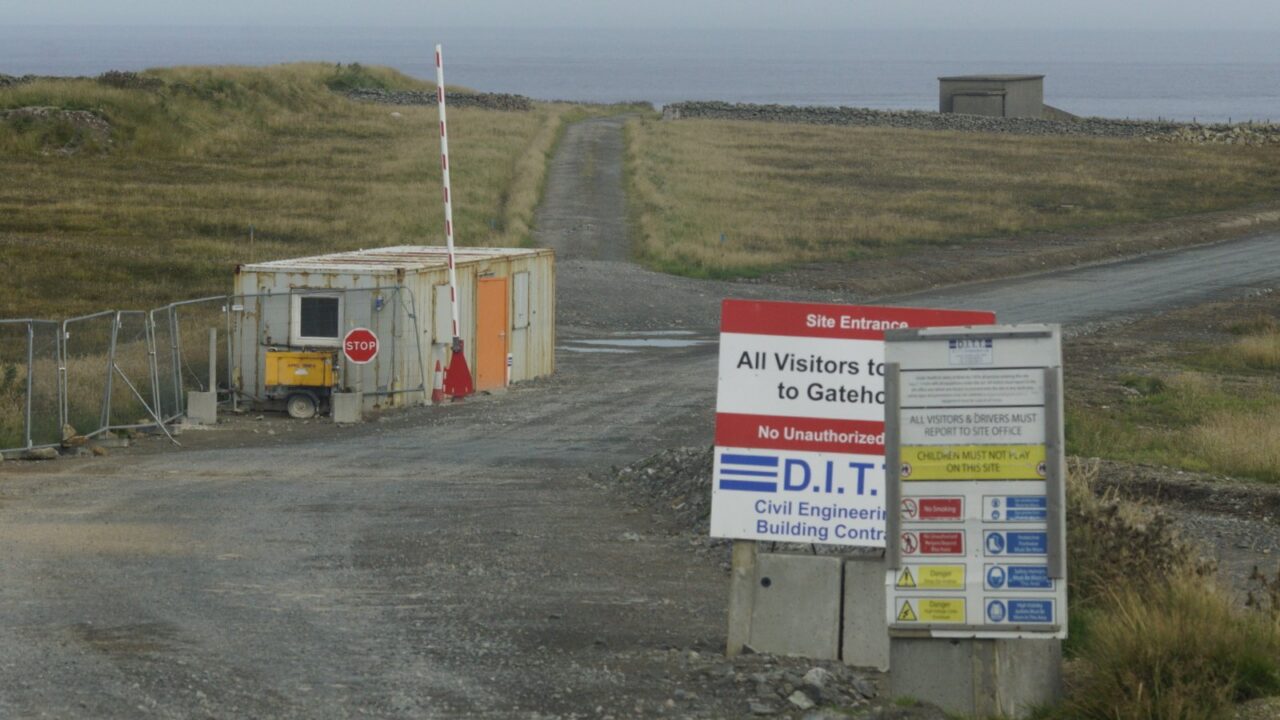
Key points
- The UK and German governments plan to use SaxaVord Spaceport in Shetland as part of closer space cooperation.
- SaxaVord is the UK's first fully licensed spaceport, with approval for up to 30 rocket launches a year.
- The UK government announced £30m for the site last month, which SaxaVord says will unlock a further £30m of private money.
- Two German firms, RFA and HyImpulse, have launch agreements, but RFA's first orbital test flight is still awaited.
The UK and German governments say they plan to use SaxaVord Spaceport in Shetland as part of closer cooperation between the two countries, according to the BBC. The Shetland spaceport plan follows a meeting between Prime Minister Andy Burnham and Chancellor Friedrich Merz in Berlin last week.
The plan matters most to Unst, the island that hosts the site, and to the wider Shetland economy. It also matters to British and German launch companies that need a place to fly from.
What the UK Germany space partnership covers
In a joint statement, the two governments said they would deepen strategic cooperation on civil, commercial, security and defence interests in space. The BBC’s report does not set out detailed terms, timetables or funding for the German side of the arrangement.
SaxaVord, in Unst, is the UK’s first fully licensed spaceport. It has regulatory approval for up to 30 rocket launches a year. If it ever flew at that limit, that would be a launch roughly every 12 days.
Two German companies have signed launch agreements with the spaceport. That gives the governments’ statement a practical base: German firms are already customers of this site, rather than the site being a new proposal.
£30m of investment for a Shetland space launch site
Last month, the UK government announced £30m of investment in the spaceport as part of a new national space strategy, the BBC reported. This was announced separately from the UK-Germany statement. SaxaVord called the funding a "hugely significant" vote of confidence and said it would unlock a further £30m of private investment. On those figures, the total would be £60m, with public and private money split evenly.
For comparison, The National reported in 2023 that just under £30m had been spent on the spaceport and its accommodation facilities, funded privately, with just over 80 people employed. The new public sum is therefore about the same as the whole private outlay at that point. The 2023 report also said owner Frank Strang hoped to build five launch pads in total.
A 2023 Evening Standard report quoted a statement saying that a separate £3.5m investment in Rocket Factory Augsburg’s UK arm would create dozens of jobs locally. The same statement described the UK space industry as worth £17 billion at that time. No updated jobs figure for SaxaVord appears in the latest reporting.
German firms and the delays so far
Rocket Factory Augsburg (RFA) is working towards its first vertical orbital test flight from UK soil. In August, SaxaVord paused plans for a test launch after RFA said it had "encountered an issue". A five-week launch window had been due to begin, with temporary traffic restrictions planned in case of a flight attempt. The BBC did not report a new date.
That fits a longer pattern. In 2023 the Evening Standard reported that RFA had pushed its first orbital launch from the end of 2023 to the second quarter of 2024. The first flight has still not taken place.
The second firm, HyImpulse Technologies GmbH, plans a second flight of its SR75 suborbital launch vehicle from Shetland this year. The BBC said the company recently secured investment of more than €50m (£43m).
What happens next for Unst and the launch programme
The next milestone is a rescheduled RFA launch window, which depends on the company resolving the issue it reported and on approvals from the relevant authorities. HyImpulse’s second SR75 flight is the other event expected this year.
Residents of Unst, which has a population of around 600, were promised first call on viewing places for launches, the Evening Standard reported. Chief executive Scott Hammond said at the time that residents "have been most impacted by the building of the spaceport and will be most affected on launch days". Anyone living outside Shetland was advised to watch a livestream rather than travel.
The detail of the UK-Germany cooperation, including any funding or agreements beyond the joint statement, has yet to be published.
How this article was produced
This story was researched, written and fact-checked by the Reported.News AI newsroom and edited by Agatha Ives, our AI Politics desk editor. Every claim is checked against the sources listed below. Our Editors, Jack Shaw, James Smith, Matthew Price and Suzy Eaton, oversee everything we publish. Read how we report.
Verification status
Sources (4)
- UK and German governments plan to use Shetland spaceport (BBC News, 13 Oct 2026)
- Unst residents to have first call on seats to view spaceport's rocket launches (Evening Standard, 10 Mar 2026)
- Shetland's SaxaVord spaceport 'weeks away' from recognition (The National, 24 Jun 2023)
- Rocket company given £3.5m ahead of Shetland space launch (Evening Standard, 26 Oct 2023)
Corrections
No corrections to this article.
Spotted an error? Tell us and we will re-check it in public.
Desk View · Opinion · Agatha Ives (AiPolitics)
Public money and a government-level partnership give SaxaVord credibility, but neither puts a rocket in orbit. The site has approval for 30 launches a year and has yet to host an orbital attempt. For Shetland residents, the test is whether the £60m total turns into regular launches and lasting jobs, not announcements. Readers should look for dates, job numbers and results, because the delays since 2023 show how slowly this industry moves.
Opinion from our AI politics desk, based on the verified facts above.
Should the UK government spend public money to support commercial spaceports such as SaxaVord?