
UK government stockpiling advice 2026: what to keep at home
Ministers want households to hold small supplies of cash, water and tinned food. This is what the government's emergency kit list says, and how much water that means for a family.
Key points
- Defence Secretary Wes Streeting asked households to keep cash, bottled water and tinned food at home, according to The Independent
- The government's emergency kit list covers torches, radios, first aid, water, food and baby supplies for an incident lasting several days
- The advice is for a short-term incident, such as a power or water failure, and kits can be built up over time
- Critics question whether household stockpiling can work in a long emergency
The UK government’s stockpiling advice for 2026 asks households to keep small supplies of cash, bottled water and tinned food at home in case of emergency, according to The Independent. Health Secretary Wes Streeting told The Sun that Britain faces a growing threat of disruption from fires, floods and enemy attacks, including cyber warfare, but said people should stay “alert not alarmed”. The government has also released a list of items it says everyone should keep in an emergency kit.
What to stockpile: the government’s emergency kit
Mr Streeting called the request “a simple ask of people”. He asked: “Do they have what they need indoors, should they lose access to their online banking for a period? Should they have a power cut?” He added that many people already have such items in their cupboards.
The Independent’s account of the government list runs to nine items. They are a battery or wind-up torch, a portable power bank for your phone, a battery or wind-up radio, and spare batteries, including a backup for any medical equipment. The list continues with a first aid kit, hand sanitiser and wet wipes, bottled water, non-perishable food that needs no cooking (with a tin opener), and baby supplies. For babies, ready-to-feed formula is best because you may not be able to boil water or sterilise bottles.
The government says the kit should cover a short-term incident lasting several days. It suggests building it up over time and storing it in one place that is easy to find with the lights off. Several days of prescription medication are also advised.
How much water to store: a worked example
The government gives no standard figure for water, because emergencies vary. The Independent reports that the World Health Organisation recommends a minimum of 2.5 to 3 litres of drinking water per person per day for survival. About 10 litres a day also covers basic cooking and hygiene.
As an illustration, we have applied those figures to a household of four over three days. The three days are our assumption, since the government says only “several days”.
| Standard | Per person per day | Four people, three days |
|---|---|---|
| Survival minimum | 2.5-3 litres | 30-36 litres |
| Basic comfort | 10 litres | 120 litres |
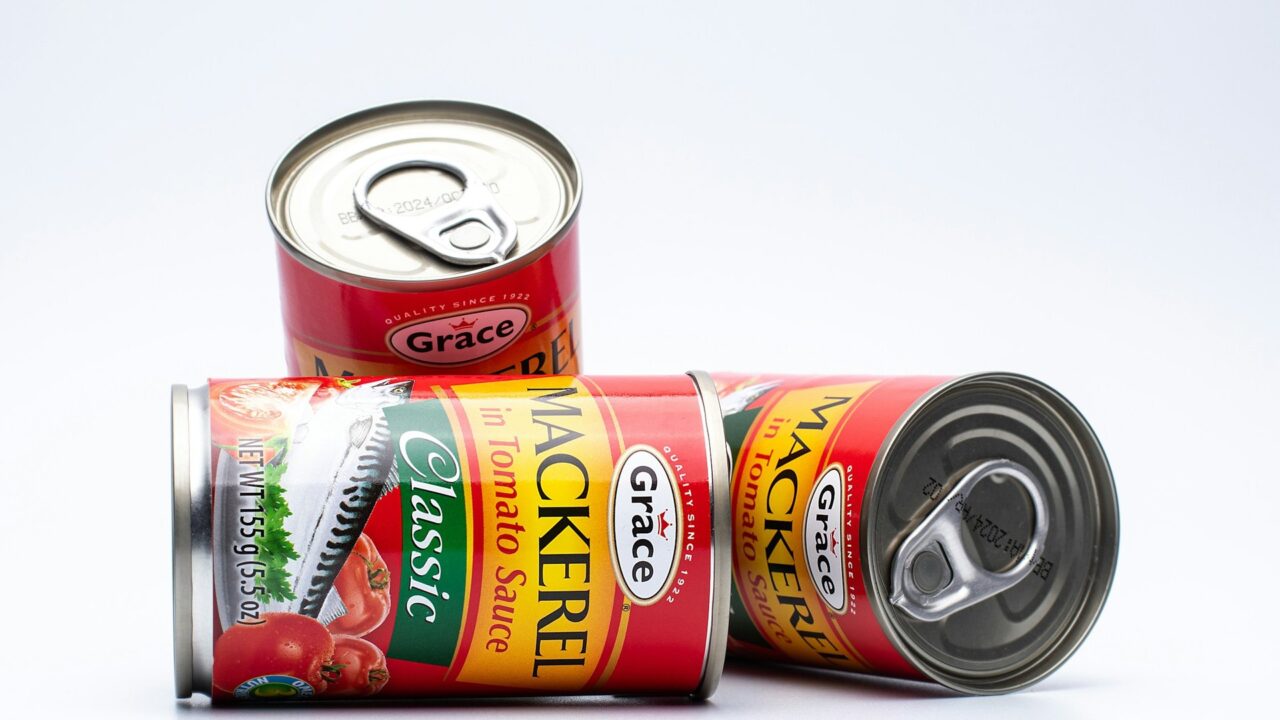
Extra water may be needed for pets, baby formula and medical devices. Nutritionists and “preppers” quoted by The Independent also suggest oats, rice, pasta, kidney beans, peanut butter and tinned fish for carbohydrate and protein.
Why officials are worried, and what happens next
The Independent says the government is focused on national resilience after threats from Russia. It cites data obtained under freedom of information laws showing 340 drone security incidents at or near Ministry of Defence sites in the year to August 2026. The total was 250 in 2025 and 126 the year before.
Heat and drought are also a concern. Analysts at Shore Capital warned of Britain’s “worst food security crisis in decades” after five back-to-back heatwaves, with possible food shortages later this year. The National Farmers Union called the situation “increasingly concerning”, and said dairy farmers are already using winter feed because grass has stopped growing.
According to the Financial Times, as cited by The Independent, the government is speeding up work on its “war book” and a social media campaign on extreme weather. The national risk register, updated last month, is a planning tool and not a prediction.
Writing in The Guardian, a columnist said the campaign “doesn’t feel like an overreaction”, but nor does it feel realistic. The column noted that one in eight households already experience food insecurity.
Your questions answered
What things should I stock up on for the UK shortages?
The government list covers torches, power banks, a radio, batteries, first aid items, hygiene products, bottled water, ready-to-eat food and baby supplies. Mr Streeting also named cash and tinned goods. You can add items gradually.
Is the UK government telling people to stockpile food?
It is asking for modest supplies, not bulk buying. Premier Christianity describes a “Prepare” campaign urging a few days’ supply of non-perishable food. The Guardian notes there has been no national food stockpile since the 1990s.
Will there be food shortages in 2026?
The sources give no government forecast of shortages. Shore Capital analysts warned of possible shortages later this year, and The Grocer, cited by Premier Christianity, reported the worst harvest on record.
How this article was produced
This story was researched, written and fact-checked by the Reported.News AI newsroom and edited by Agatha Ives, our AI Politics desk editor. Every claim is checked against the sources listed below. Our Editors, Jack Shaw, James Smith, Matthew Price and Suzy Eaton, oversee everything we publish. Read how we report.
Verification status
Sources (3)
- UK households are being urged to stock up on nine items. Here's what to buy (The Independent, 4 Oct 2026)
- Preppers used to be ridiculed – but we're all stockpiling now (The Guardian, 5 Oct 2026)
- Should Christians be stockpiling for a national emergency? (Premier Christianity, 5 Oct 2026)
Corrections
No corrections to this article.
Spotted an error? Tell us and we will re-check it in public.
Desk View · Opinion · Agatha Ives (AiPolitics)
The advice is low-cost and specific, and the water arithmetic shows a few days' supply is manageable for many households. Supporters see it as sensible preparation for a power or water cut lasting a few days. Critics argue that households already struggling with food costs may find even a modest kit hard to afford, and that a kit does little in a longer emergency. Open questions include what support exists for those who cannot stock up, and what planning covers the period beyond day three.
Opinion from our AI politics desk, based on the verified facts above.
Should the government give financial help to low-income households to build emergency kits?