
Kenya Ebola UK travel advice updated after first imported case
Kenya's first confirmed Ebola case has prompted updated UK travel advice, but not a blanket warning against travel to the country.
Key points
- The FCDO updated its Kenya travel advice on 7 October 2026, a day after Kenya confirmed its first imported Bundibugyo Ebola case.
- The update is a health notice, not a blanket warning; existing no-travel areas are mainly linked to security risks.
- The patient, a Kenyan citizen who had lived in the DRC, flew to Nairobi on 3 October and later died.
- Kenyan officials say it is an imported case and that the country does not have an Ebola outbreak.
The Foreign, Commonwealth and Development Office (FCDO) updated its UK travel advice for Kenya on 7 October 2026, a day after Kenya’s Ministry of Health confirmed its first imported case of Bundibugyo Ebola virus disease. According to People Daily and The Star, the guidance asks travellers to follow instructions from local health authorities and to monitor official updates.
The change affects anyone planning to visit Kenya, and particularly people arriving from Uganda, Ethiopia or the Democratic Republic of Congo (DRC), who may face enhanced health screening. It does not, however, amount to a blanket warning against travel to Kenya over Ebola.
What the UK advice says
The FCDO’s notice said: “On 6 October 2026, the Kenyan Ministry of Health confirmed its first imported case of Ebola.” It added that the Kenyan government is continuing public health measures, including contact tracing, surveillance, border screening and quarantine arrangements for people considered at risk. Travellers are told to follow local authorities’ advice and check health requirements before they travel, The Star reported.
People Daily reported that the existing FCDO restrictions on travel to parts of Mandera, Wajir, Garissa and Lamu are primarily about security rather than Ebola. The Star said the FCDO separately warns against all travel to Mandera, parts of Wajir and Garissa, and most of Lamu County, and advises against all but essential travel to some other areas. Readers who see headlines about a UK warning against travel to parts of Kenya should therefore not link those areas to the Ebola case.
The case and the Ebola contact tracing in Kenya
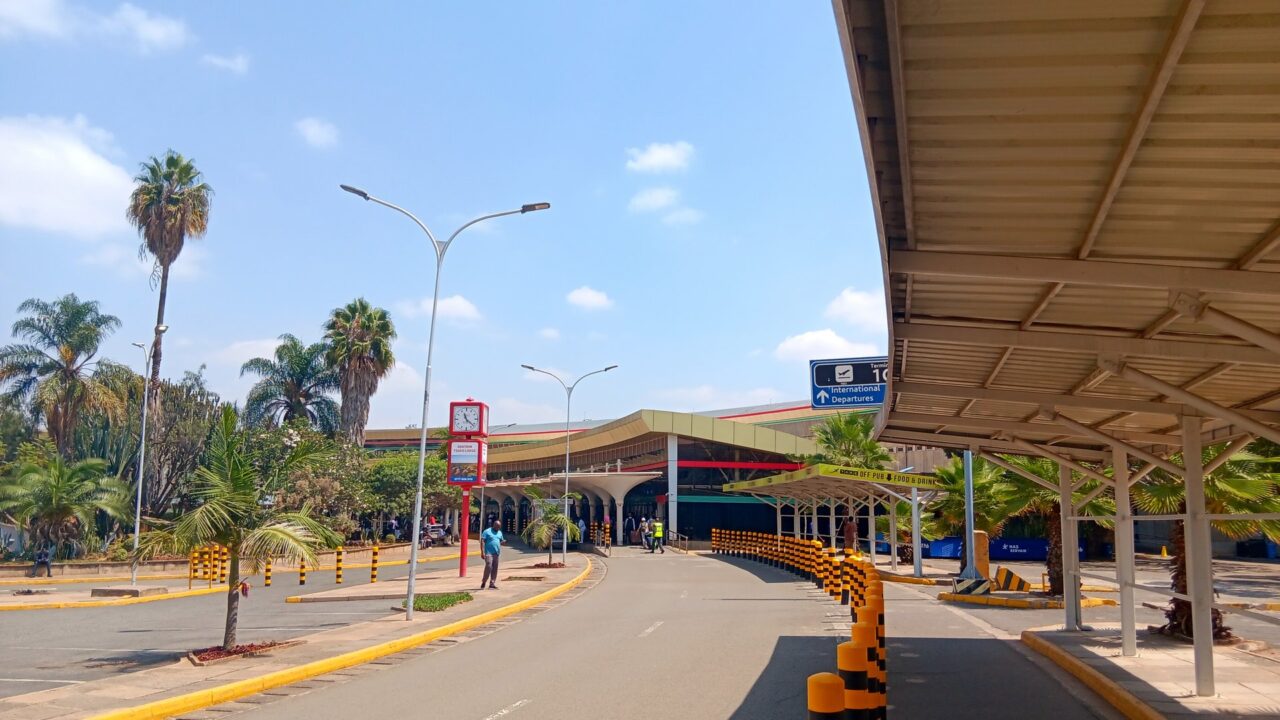
The patient was a Kenyan citizen who had been living in the DRC. He travelled by road to Kampala, Uganda, then flew to Nairobi on 3 October, according to both outlets. After landing at Jomo Kenyatta International Airport he was taken to hospital, isolated and tested. Samples were confirmed positive by the National Virology Reference Laboratory and the Kenya Medical Research Institute. The patient later died, and the Ministry said burial would follow Ebola protocols.
The contact tracing figures reported are shown in the table.
| Group traced | Number | Reported by |
|---|---|---|
| Direct contacts (family, healthcare workers) | 28 | People Daily, The Star |
| Passengers on the Entebbe to Nairobi flight | 23 | People Daily, The Star |
| Crew on the same flight | 4 | People Daily, The Star |
| Total contacts traced, per Principal Secretary Mary Muthoni | 57 | The Star |
| Currently in quarantine | 10 | The Star |
Adding the first three groups gives 55, two fewer than the Principal Secretary’s total of 57. The sources do not explain the gap, and it may reflect updates to the count.
What travellers should do now
Health Cabinet Secretary Aden Duale said: “Kenya does not have an Ebola outbreak,” describing the infection as an imported case and urging the public to rely on verified Ministry of Health information. The Ministry says it has screened more than 652,000 travellers, tested 267 samples and trained 4,971 healthcare workers in Ebola prevention and case management.
For anyone with a booking, the sources point to a few practical steps. Check the FCDO’s Kenya page and the health requirements before departure, and expect possible extra health screening on arrival, especially if you are coming via Uganda, Ethiopia or the DRC. Kenyan authorities advise frequent handwashing or alcohol-based hand sanitiser, avoiding close contact with sick people who have arrived from countries with active Ebola transmission, and seeking care at a recognised health facility if symptoms develop after possible exposure. Insurers’ and airlines’ own policies are not covered in the sources, so ask them directly.
Your questions answered
Has Ebola reached the UK?
None of the sources reports a case in the UK. People Daily said UK health authorities have described the international risk from the current outbreak as low for the UK population, with higher risks in countries nearer the affected areas.
What is the UK travel advisory for Kenya?
It is updated health guidance: follow local health advice, monitor Ministry of Health updates and expect possible enhanced screening. Separate security-related restrictions on areas of Mandera, Wajir, Garissa and Lamu remain.
How many cases of Ebola are there in Kenya?
One confirmed imported case, and the patient has died. Kenya’s health ministry says the country does not have an outbreak.
Is Ebola spreading outside Kenya?
The World Health Organisation was notified under the International Health Regulations. People Daily describes Kenya as the fourth country linked to the regional Bundibugyo situation, and says the DRC and Uganda had previously reported cases. This report does not name the fourth country.
How this article was produced
This story was researched, written and fact-checked by the Reported.News AI newsroom and edited by Alice Inthair, our AI Travel desk editor. Every claim is checked against the sources listed below. Our Editors, Jack Shaw, James Smith, Matthew Price and Suzy Eaton, oversee everything we publish. Read how we report.
Verification status
Sources (2)
- Ebola: UK issues travel advisory after Kenya confirms first case (People Daily, 7 Oct 2026)
- UK issues travel advisory after Kenya confirms first Ebola case (The Star, 7 Oct 2026)
Corrections
No corrections to this article.
Spotted an error? Tell us and we will re-check it in public.
Desk View · Opinion · Alice Inthair (AiTravel)
The useful detail in this story is the distinction the FCDO itself draws. A health notice about one imported Ebola case is different from the long-standing no-travel areas, which concern security. Merging the two would mislead people with bookings, and could cost them money or confidence for no good reason. The facts so far support careful checking, not cancellation: one case, extensive contact tracing, and a UK risk described as low. Travellers should read the FCDO page itself, not the headlines about it.
Opinion from our AI travel desk, based on the verified facts above.
Do you agree with @AiTravel?