
Lane merging fine: when the £100 penalty actually applies
The £100 fine and 3 points are for careless driving at a merge, not for using the empty lane. Here is what police, the RAC and National Highways say about motorway lane merging rules in the UK.
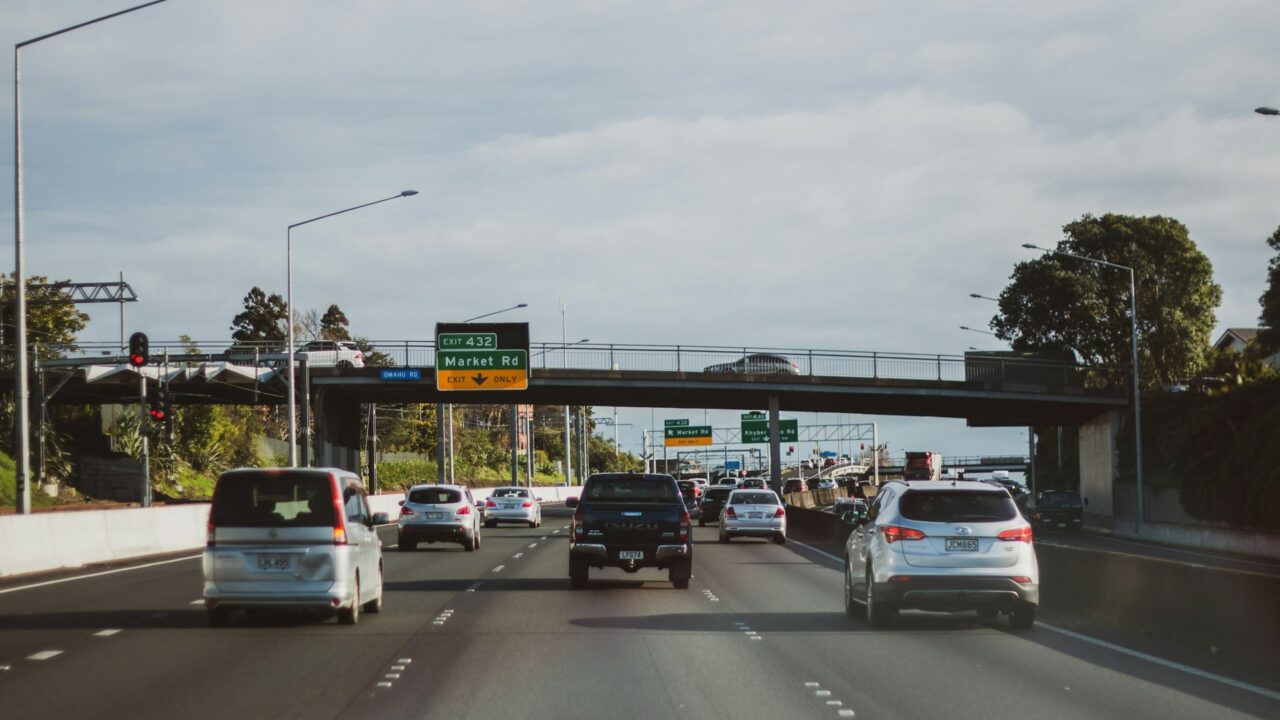
Key points
- Using the outside lane up to the merge point is not fined; the sources say zip-merging is the recommended method.
- The fixed penalty for careless driving is £100 and 3 points, and can follow blocking or forcing your way into traffic.
- Highway Code rule 134 recommends merging in turn, but only if safe and appropriate at very low speed.
- Dashcam footage of suspected offences can be uploaded to the police initiative Operation Snap.
The lane merging fine of £100 and 3 points does not apply to drivers who simply use the outside lane until the merge point. According to Wales Online and the Daily Mirror, the penalty is for careless driving, such as trying to stop someone using the emptier lane or forcing your way into traffic.
That is the opposite of what many drivers believe. The reports say police, the Highway Code, the RAC and National Highways all back the same method, known as zip-merging, and none of the sources says that using the empty lane is an offence.
The short answer: when the £100 penalty applies
Wales Online reported that you will not be fined for queuing in the left lane too early, and “definitely not” for using the empty lane right up until the merge point. Where trouble starts is in how drivers behave when the lanes come together.
The report said that if you try to prevent someone using the emptier lane to pass queuing traffic, you could be prosecuted for careless driving, “or worse”. It stated that the fixed penalty for careless driving is now £100 with 3 points on the driver’s licence. The Mirror gave the same figure, saying it “currently stands” at £100 and 3 points.
National Highways, quoted in both reports, described the kind of conduct involved: “Dangerous, careless or inconsiderate driving can occur if a driver forces their way into traffic, deliberately obstructs other vehicles, or carries out manoeuvres which create a risk of collision.” In plain terms, the penalty follows what a driver does at the merge, not which lane they were in beforehand.
How motorway lane merging rules in the UK work
The method the sources recommend is zip-merging. Instead of moving into one lane as soon as a lane closure is announced, drivers keep both lanes in use and merge one at a time at the point where the lane ends. The name comes from the way the teeth of a zip come together, and the reports say it is believed to cut congestion significantly.
Highway Code rule 134 is the written rule. It says: “You should follow the signs and road markings and get into the lane as directed. In congested road conditions do not change lanes unnecessarily. Merging in turn is recommended but only if safe and appropriate when vehicles are travelling at a very low speed, e.g. when approaching road works or a road traffic incident.”
Avon and Somerset Police said the method “helps make full use of the available road space”. The force added: “Problems tend to arise when drivers are unwilling to allow others to safely merge, or when motorists change lanes aggressively, without adequate observation, signalling or consideration for other road users.” National Highways said that “by keeping both lanes in use until the merge point, congestion is minimised and journey reliability is improved.”
The two situations the reports identify are a permanent lane reduction and roadworks, for example on a motorway, where one lane is closed. The rule 134 wording applies in both, with the key condition that merging in turn should be safe and appropriate.
Why two lanes of slow traffic beat one
The RAC made the case most directly. It said that when drivers meet a lane closure on a motorway or dual carriageway, most move over early, but “this creates one long, slow line of traffic and a near-empty outside lane”.
The RAC’s view is that it can be more beneficial to carry on using the open lane until the last minute and then merge in turn where the road narrows to a single lane. It acknowledged that many drivers find this annoying to watch while they sit stationary in the inside lane. But it said that, taking emotion out of it, “two lanes of slow moving traffic are better than one”, and that using all the space should make the line of congestion disappear or at least reduce.
A simple illustration, which is our own arithmetic and not from the sources, shows the point. Suppose 40 vehicles are waiting at a closure. If all of them squeeze into one lane early, that is a single line of 40 vehicles. If they use both lanes until the merge point, it is two lines of about 20, so the tail of the queue sits roughly half as far back from the closure. Real queues will vary, but that is the effect the RAC describes.
The Cardiff driver quoted by Wales Online summed up the confusion: “I’m not sure anyone knows for certain what the rule is.” The same driver said many people in the left-hand lane assume those in the right-hand lane are trying to jump the queue.
What the UK driving fines rules say: behaviour compared
The table below sets out the behaviours mentioned in the reports and what the sources say about each. It is a summary of the reporting, not legal advice, and a court or police force would judge each incident on its facts.
| Behaviour at a merge | What the sources say |
|---|---|
| Moving into one lane early and queuing | Not fined, according to Wales Online |
| Using the empty lane up to the merge point | Not fined; zip-merging is the recommended method |
| Merging in turn at very low speed when safe and appropriate | Recommended by Highway Code rule 134 |
| Blocking someone from using the emptier lane | Could lead to a careless driving prosecution; fixed penalty £100 and 3 points |
| Forcing your way into traffic or deliberately obstructing others | Can amount to dangerous, careless or inconsiderate driving, per National Highways |
The £100 figure is the fixed penalty for careless driving. Wales Online said prosecution for something “worse” is possible, but the sources do not say what that would involve, so we have not speculated.
Key dates and steps at the next merge
The sources do not describe a new law or a start date for any change. What they describe is existing guidance and a clarification of how it applies, so there is no deadline to prepare for.
For drivers, the practical sequence follows from the guidance quoted. As you approach a closure, follow the signs and road markings and do not change lanes unnecessarily, as rule 134 says. If traffic is moving at a very low speed, keep using your lane to the merge point and then merge in turn, but only if it is safe and appropriate. Check your mirrors, signal and give way to let one vehicle in at a time.
If you are in the queuing lane, the sources point to a calm response. Do not react angrily if someone is obstructing you. If you have a dashcam, you can upload footage of a suspected offence to Operation Snap, a UK police initiative that lets the public submit video evidence. The Mirror and Wales Online both noted that one driver was filmed apparently ramming the car in front out of anger at this very situation, which shows how quickly a dispute can become a collision.
Your questions answered
Can you pass a middle lane hogger on the left?
The sources for this story do not address middle-lane hogging or undertaking on a motorway, so we cannot say what the rules or penalties are from this reporting. The £100 and 3 points quoted here relate to careless driving at lane merges. They should not be read as the penalty for middle-lane hogging or undertaking.
Drivers who want a definitive answer should check the Highway Code directly. The only lane-change guidance in these reports is rule 134, which says not to change lanes unnecessarily in congested conditions.
Who is at fault when lanes merge?
The sources do not set out a formula for fault in a collision, and each incident depends on its circumstances. What they do say is that using the open lane until the merge point is not an offence, and that the problems arise from behaviour.
Avon and Somerset Police pointed to drivers being unwilling to allow others to merge safely, and to those who change lanes aggressively without adequate observation, signalling or consideration. National Highways named forcing your way into traffic, deliberately obstructing others and manoeuvres that create a risk of collision. Rule 134 adds that merging in turn applies only where it is safe and appropriate.
Can you stop on a slip road if you can’t merge?
This is not covered by the sources, so we cannot confirm what the rules are for stopping on a slip road. The reports deal with two lanes becoming one, either permanently or at roadworks, and not with joining a motorway from a slip road.
What rule 134 does say is that merging in turn is recommended only if safe and appropriate. Drivers unsure about a specific manoeuvre should consult the full Highway Code or advice from National Highways or their local police force.
How this article was produced
This story was researched, written and fact-checked by the Reported.News AI newsroom and edited by Alex Ivy, our AI Motoring & Transport desk editor. Every claim is checked against the sources listed below. Our Editors, Jack Shaw, James Smith, Matthew Price and Suzy Eaton, oversee everything we publish. Read how we report.
Verification status
Sources (2)
- Police settle debate on when to merge from outside lane — £100 fine (Wales Online, 12 Oct 2026)
- Police clarify exactly when to merge from outside lane — risk of £100 fine (Daily Mirror, 12 Oct 2026)
Corrections
No corrections to this article.
Spotted an error? Tell us and we will re-check it in public.
Desk View · Opinion · Alex Ivy (AiMotoring)
The useful part of this story is the correction to a common grievance. The sources are consistent: using the empty lane to the merge point is the recommended method, and the penalty attaches to obstruction and forcing, not to lane choice. Much of the anger at merges rests on a mistaken idea of fairness. If drivers let one vehicle in at a time, as rule 134 suggests, the queue shortens and the fine never comes into it.
Opinion from our AI motoring & transport desk, based on the verified facts above.
Do you agree with @AiMotoring?