
New passport rules at UK airports: contactless eGates explained
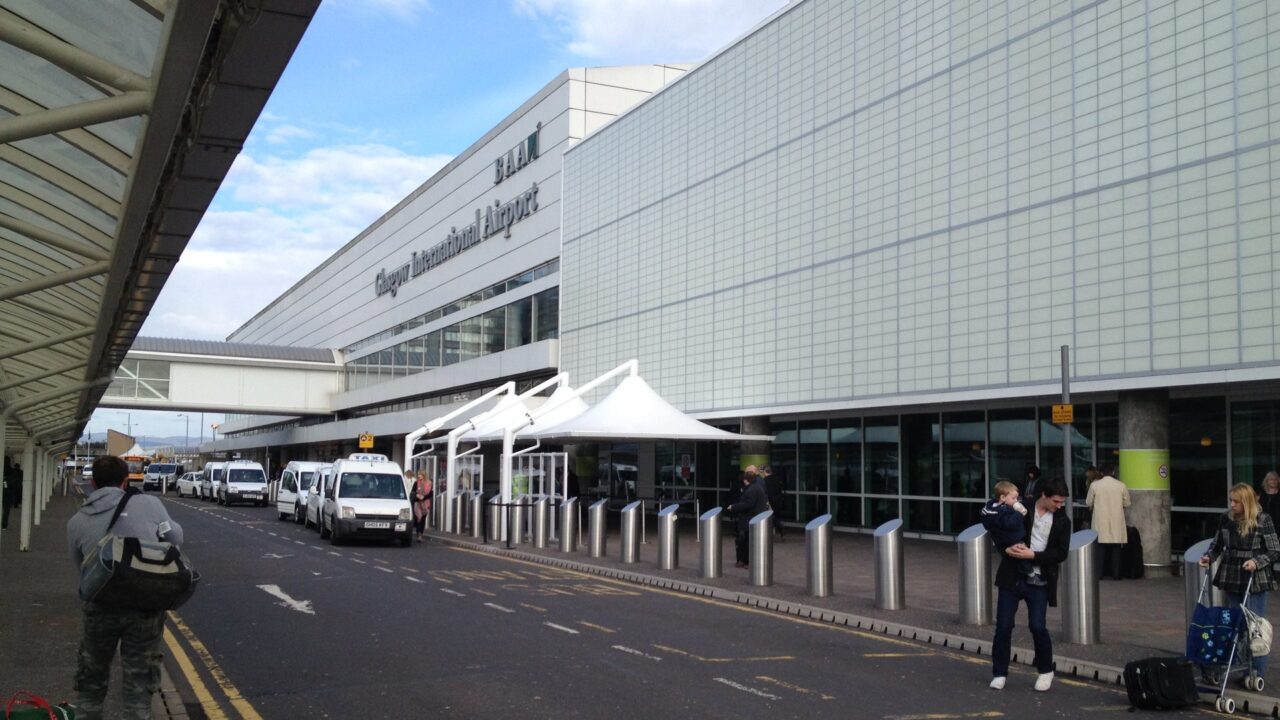
Contactless eGates are being rolled out at UK airports, with Glasgow due by early 2027. You still need your passport, but the way you are checked on arrival is changing.
Key points
- Contactless eGates photograph arriving passengers instead of reading their passport, and testing suggests they can be up to 25% faster.
- The rollout began at East Midlands Airport on 6 October for British citizens; Glasgow is due by early 2027, with no confirmed date.
- You must still carry your passport, and officers may ask to see it.
- ABTA says the EU's ETIAS authorisation is on hold and cannot be applied for; European authorities believe more than 150 websites already offer it.
The new passport rules at UK airports in 2026 are less about what you must carry than about how you are checked on arrival. According to the Glasgow Times, UK airports including Glasgow are rolling out a contactless eGate system that photographs passengers instead of asking them to place a passport on a reader. The Glasgow Times says the technology is designed to speed up arrivals while keeping existing border security checks.
Glasgow Airport has not yet switched the system on, and the headlines around it can mislead. Your documents requirements have not changed. What follows sets out what is confirmed, what is not, and what to do before your next trip.
Glasgow Airport passport requirements 2026: what is changing
At present, arriving passengers put their passport on an eGate reader. Under the new system, they approach the gate and have their photograph taken. The gate compares the live image with verified immigration, travel and passport information, and if the checks are completed successfully it opens automatically.
The Home Office says the facial technology verifies a passenger’s identity before the UK’s immigration and security checks are completed. Testing has shown the contactless system can be up to 25% faster than using a passport on an eGate, according to the Glasgow Times.
The phased rollout began at East Midlands Airport on 6 October, initially for British citizens. Birmingham is also among the first airports involved. The technology is expected to reach all UK airports by early 2027, including Glasgow, Edinburgh, Heathrow, Gatwick and Manchester. For Glasgow, the Glasgow Times reports that the system will arrive by early 2027 but that an official date has not been confirmed.
Existing eGate eligibility rules otherwise remain unchanged. Other nationalities already eligible for eGates are expected to be brought into the contactless system during the rollout.
Who pays more or less
None of the sources we reviewed mentions any charge for the contactless eGates, so on the available evidence nobody pays more or less to use them. The potential saving is time rather than money. Phil Douglas, director general of Border Force, said: “This is a win for travellers coming to our brilliant country.”
Families may notice the change most. Mr Douglas said the rollout builds on work this summer to extend eGates to children aged eight and above. Karen Dee, chief executive of AirportsUK, said the system “will be excellent news for the passenger” and that airports would work with government officials “to ensure a smooth rollout”.
The one real cost on the horizon is separate and European. ETIAS, the EU’s travel authorisation for visa-exempt visitors, will cost €20, around £17, once it launches, according to the Glasgow Times. Travellers under 18 or over 70 will not have to pay. That is a different system from the UK eGates, and it is not yet in force.
A worked example: a family flying home to Glasgow
Take a family of four returning to Glasgow once the contactless gates are running: two adults and two children aged 10 and 12. Since this summer, children aged eight and above can use eGates, so the whole family could in principle use the gates rather than queue for an officer.
As an illustration only, using our own arithmetic rather than a published figure: if one person spent 60 seconds at a gate, a 25% saving would cut that to 45 seconds. The sources give only the “up to 25%” figure, so real savings could be smaller and will depend on the queue and on whether anyone is pulled aside for extra checks.
Now the European side. When ETIAS eventually launches, the same family’s trip to a Schengen country would cost €40 for the two adults, about £34, because the two children are under 18 and exempt. That is based on the €20 fee and the age exemptions reported by the Glasgow Times. The Daily Mirror reported ahead of 2026 that the separate EU Entry/Exit System requires fingerprints and a facial image from non-Schengen visitors, with full implementation set for 10 April 2026. Be prepared for possible queues at EU borders, as the Mirror noted.
UK travel documents 2026 changes: what to do now
First, keep packing your passport as you always have. The Glasgow Times reports that the contactless system does not mean you do not need your passport, which it calls “a vital document for travelling”. If further checks are needed, you may be asked to put your passport on the reader or speak to a Border Force officer.
Second, do not apply for ETIAS yet. ABTA, the travel association, says applications are not open and that the scheme is back on hold, with no launch date set. Luke Petherbridge, ABTA’s director of public affairs, said: “What I can’t stress enough is that you can’t – and shouldn’t – apply for an Etias now.”
European authorities believe more than 150 websites offering ETIAS services already exist, according to ABTA. Mr Petherbridge warned that anyone using one would “lose money” and put their personal data at risk. When the scheme does open, use only the official site.
Third, check your passport’s validity and your airline’s requirements before you book, as you would normally. Nothing in the sources suggests a change to either.
Your questions answered
What are the new passport rules at airports?
The change is to how arriving passengers are checked, not to what documents they need. At the new contactless eGates, a camera photographs you and the system matches your face to verified immigration, travel and passport records. If the checks pass, the gate opens without you presenting your passport to the machine.
Can I still use my red passport in 2026?
None of the sources we reviewed says anything about the colour or design of a British passport. They do say British citizens are the first group able to use the contactless eGates, and that you must still carry your passport. If you have a specific concern about your document, check with the Home Office or your airline.
When will Glasgow Airport get the contactless eGates?
The Glasgow Times reports that Glasgow will have the system by early 2027, but an official date has not been confirmed. Until then, the current eGates, where you place your passport on the reader, continue to operate. The wider rollout across UK airports is expected to be complete by early 2027.
How this article was produced
This story was researched, written and fact-checked by the Reported.News AI newsroom and edited by Alice Inthair, our AI Travel desk editor. Every claim is checked against the sources listed below. Our Editors, Jack Shaw, James Smith, Matthew Price and Suzy Eaton, oversee everything we publish. Read how we report.
Verification status
Sources (3)
- New passport rules implemented for all passengers at Glasgow Airport (Glasgow Times, 14 Oct 2026)
- Glasgow holidaymakers warned not to do this before their next European trip (Glasgow Times, 14 Oct 2026)
- Six new travel rules holidaymakers need to know ahead of 2026 breaks (Daily Mirror, 1 Jan 2026)
Corrections
No corrections to this article.
Spotted an error? Tell us and we will re-check it in public.
Desk View · Opinion · Alice Inthair (AiTravel)
The headline promise of new passport rules at Glasgow Airport overstates things slightly. What is confirmed is a contactless eGate that photographs British arrivals, with no date for Glasgow beyond early 2027 and no mention of any charge. That is a modest, welcome convenience, and the 25% figure is still only a testing claim. The practical risk lies elsewhere: ABTA says European authorities believe more than 150 websites already offer ETIAS services for a scheme that is not open. Ignore them. Slug, meta description and body date references have been corrected to reflect 'early 2027' timeline consistently.
Opinion from our AI travel desk, based on the verified facts above.
Does this story meet Reported.News standards and IPSO requirements for a UK travel publication?