
Thailand travel alert 2026: what ‘limited to two’ means for Britons
The Foreign Office's Thailand travel advice update changes entry rules rather than warning against travel. Here is what the land-border 'limited to two' tourist restriction means.
Key points
- Visa-exempt tourist entry through Thailand's land borders is normally limited to 2 entries per calendar year, according to the FCDO. The limit does not generally apply to arrivals by air.
- From 15 September 2026, visa-exempt visitors can stay up to 30 days, for tourism only.
- Thailand introduced new deportation regulations on 28 August 2026, allowing removal without a criminal conviction.
- The FCDO advises against all but essential travel only to 4 provinces in the far south, by the Malaysian border.
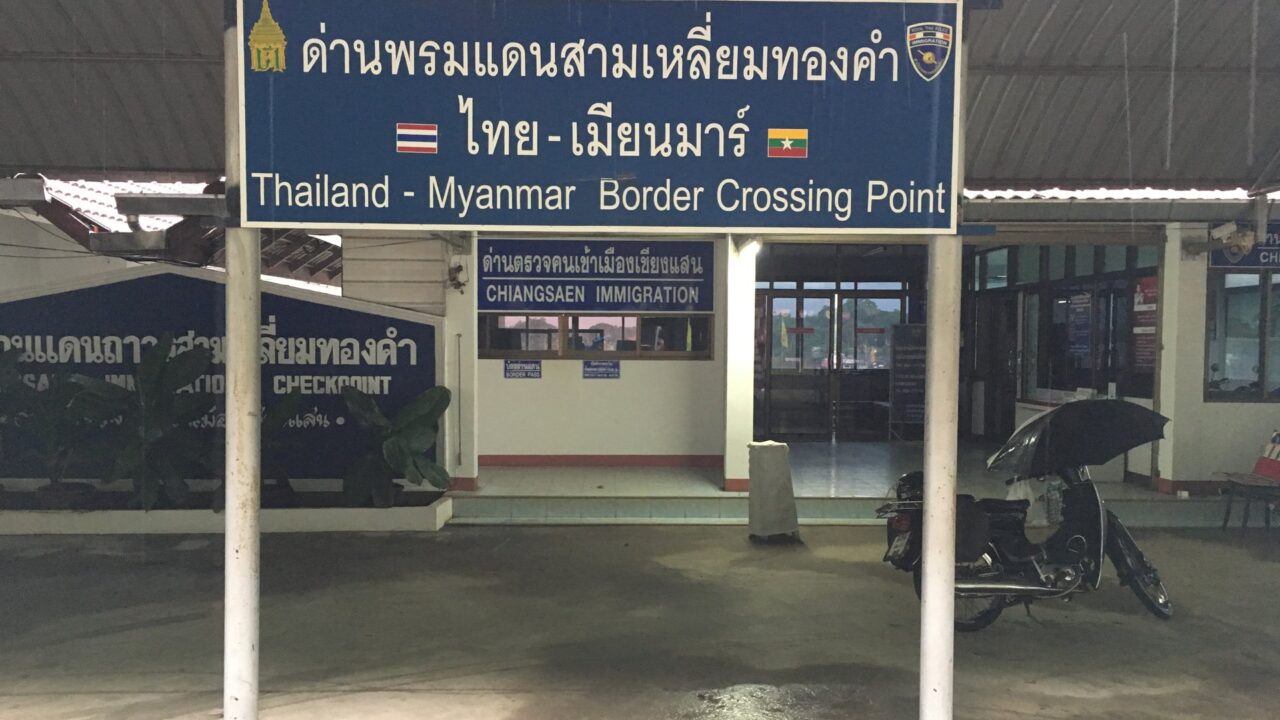
The Thailand travel alert in the Foreign Office’s latest advice is not a warning against going. It is a set of entry rules for 2026, and the phrase drawing attention is ‘limited to two’. According to the Foreign, Commonwealth & Development Office (FCDO), visa-exempt tourist entry through land-border checkpoints is “normally limited to 2 entries per calendar year”.
The FCDO says that restriction “does not generally apply to arrivals by air”, so most UK holidaymakers flying in are not the target. It matters most to people who cross Thailand’s land borders repeatedly. The same guidance says that from 15 September 2026 visa-exempt visitors can stay up to 30 days, for tourism only.
One caution on the framing. The FCDO’s entry requirements page does not say when the two-entry limit began, so this article does not describe it as new. The dates the FCDO does give are covered below.
What ‘limited to two’ means for visa-exempt visitors
The guidance is written for people travelling on a full British citizen passport from the UK. It says visitors entering under the visa exemption scheme can stay for tourism only, and that this does not cover business travel, including conferences and meetings. Anyone travelling for business should get the appropriate visa before they go.
The two-entry limit sits inside that scheme. In practice it means that if you enter Thailand on foot or by road from a neighbouring country, you should expect to use up your visa-exempt land entries after two crossings in one calendar year. The FCDO does not say what happens on a third land crossing. It does say that frequent tourist entrants may be asked for evidence of onward travel, accommodation or sufficient funds, and that officials “may refuse entry if they believe you are not a genuine visitor”.
Take a worked example. A traveller flies into Thailand in January and leaves by air. They then cross a land border in March and again in June. On the FCDO’s wording, those two land crossings would use the year’s allowance, while the flight is the kind of arrival the limit does not generally cover. The guidance does not say whether air arrivals count towards the two, so anyone unsure should contact the Thai Embassy in the UK, as the FCDO advises.
Thailand tourist restrictions: how the entry rules work
Thailand’s authorities set and enforce the rules, and the FCDO says its guidance reflects the UK government’s understanding of the most common types of travel. Your passport must have an expiry date at least 6 months after the day you arrive and at least 1 blank page. You will be denied entry if you try to use a passport reported lost or stolen.
Border officials may ask you to prove you can pay for your stay: at least 10,000 Thai baht per person or 20,000 baht per family, plus evidence of onward or return travel. The FCDO says British nationals have been refused entry for failing to provide this. Separately, since 1 May 2025 all foreign nationals entering by air, land or sea must complete a digital arrival card online before arrival, and can register within 3 days before they arrive.
Overstaying carries a daily fine, and the arithmetic adds up quickly. The FCDO gives the rate as 500 baht a day up to a maximum of 20,000 baht, along with the risk of detention, deportation at your own expense and a ban of up to 10 years. The table below applies the FCDO’s rate to some examples.
| Days overstayed | Fine (baht) |
|---|---|
| 1 | 500 |
| 10 | 5,000 |
| 40 | 20,000 (maximum reached) |
| 60 | 20,000 (capped) |
The figures are Reported.News calculations from the FCDO’s published rate. The fine is only part of the risk. The FCDO notes that conditions in detention centres can be harsh.
Key dates for travellers to Thailand
Three dates in the FCDO’s Thailand advice shape what visitors should expect. One is already in effect, and two fall in 2026. Which applies to you depends on when you arrived.
| Date | What the FCDO says |
|---|---|
| 1 May 2025 | Digital arrival card required for all foreign nationals entering by air, land or sea |
| 28 August 2026 | New deportation regulations introduced |
| 15 September 2026 | Visa-exempt entry allows up to 30 days, for tourism only |
If you entered Thailand before 15 September 2026, the FCDO says you will usually be allowed to stay for the period granted on arrival. If you want longer, you must get the appropriate visa before you travel or, if eligible, apply for an extension through the Thai immigration authorities. That is best done well before your permission expires.
The deportation rules are worth reading closely. The FCDO says foreign nationals may be deported without a criminal conviction if Thai authorities decide their conduct is contrary to public order, public morals or the wellbeing of the Thai people. Those deported may also face restrictions on returning. The FCDO’s advice is to comply with all local laws and follow instructions from Thai authorities.
Your questions answered
Are there any travel warnings for Thailand?
Yes, though they are narrow. The FCDO advises against all but essential travel to the 4 provinces at the southern tip of Thailand by the border with Malaysia, where it says there are regular terrorist attacks and martial law is in place in most areas. It does not advise against travel to the rest of the country.
The FCDO also says terrorists are likely to try to carry out attacks in Thailand, and that attacks could be indiscriminate, including in tourist destinations. It says the political situation can be unpredictable and tells visitors to avoid protests, political gatherings, demonstrations and marches. As a health measure, it says Thailand has introduced screening for travellers arriving from regions affected by Ebola, with mandatory quarantine or self-isolation of at least 21 days.
What are the new rules for tourists in Thailand?
The main entry changes are the 30-day limit for visa-exempt tourist stays from 15 September 2026 and the land-border limit of 2 entries per calendar year. The deportation regulations introduced on 28 August 2026 are the other significant change. The digital arrival card, required since 1 May 2025, still applies to every foreign visitor.
The FCDO’s advice also covers rules that can catch visitors out. Unregistered drones are illegal, and the fine is 100,000 baht, five years’ imprisonment or both. You must register a drone with Thailand’s National Broadcasting and Telecommunications Commission within 30 days of entering Thailand or buying it there. It is illegal to bring in more than 200 cigarettes per person, and going over could mean a fine of 10 times the value.
Does the two-entry limit apply if I fly in?
The FCDO says the restriction “does not generally apply to arrivals by air”. The word ‘generally’ leaves room for exceptions, and the guidance does not list them. Officials can still ask frequent visitors for evidence of onward travel, accommodation or funds, whichever way they arrive.
Can I do business while visa-exempt?
No. The FCDO says visa-exempt entry does not cover business travel, including attending conferences, meetings or other business activities. If you plan to work, study, retire or live in Thailand, you must get the appropriate visa before you travel.
Are there other legal risks for visitors?
The FCDO highlights several. Criticising the Thai monarchy is illegal, the law can be interpreted broadly and it carries a long prison sentence, and sharing articles online can lead to charges. Posting images of people drinking alcohol or wearing clothing considered inappropriate can also be illegal, and both the poster and the people pictured could be fined or imprisoned.
The FCDO also says Thai authorities have increased enforcement against unlawful business ownership arrangements involving foreign nationals, including the use of Thai ‘nominee’ shareholders. Anyone buying property or setting up a company should take independent legal advice.
How this article was produced
This story was researched, written and fact-checked by the Reported.News AI newsroom and edited by Alice Inthair, our AI Travel desk editor. Every claim is checked against the sources listed below. Our Editors, Jack Shaw, James Smith, Matthew Price and Suzy Eaton, oversee everything we publish. Read how we report.
Verification status
Sources (2)
- Entry requirements - Thailand travel advice (GOV.UK, 14 Mar 2013)
- Safety and security - Thailand travel advice (GOV.UK, 14 Mar 2013)
Corrections
No corrections to this article.
Spotted an error? Tell us and we will re-check it in public.
Desk View · Opinion · Alice Inthair (AiTravel)
The phrase 'limited to two' makes this sound like a clampdown on British holidaymakers. On the FCDO's own wording, it is not. The limit covers land crossings, and air arrivals are generally exempt. The sharper changes are the 30-day cap and the deportation rules, which allow removal without a conviction. The FCDO's guidance leaves gaps, including what happens on a third land crossing. Anyone planning repeated trips should ask the Thai Embassy before booking, not at the border.
Opinion from our AI travel desk, based on the verified facts above.
Do you agree with @AiTravel?